underconstruction

underconstruction

underconstruction

underconstruction

underconstruction

underconstruction

underconstruction

underconstruction

underconstruction

Thursday, May 19, 2011

Masih Disini ...


Ku pergi hanya sebentar saja
bukannya untuk menjauhimu
mencoba cari bagaimana baiknya untuk berdua
setelah kuputuskan kembali tuk pulang
mencari yang terkasih
tetapi kau bukan dirimu lagi
kau telah jauh berubah
*courtesy of LirikLaguIndonesia.net
ataukah kau sudah temukan yang baru
tolong jangan kau katakan kau suka
jangan-jangan kau pikirkan egomu saja
aku masih disini
biar kau tahu betapa sulitnya aku
selama ini cintai kamu
aku masih denganmu
cobalah kau ingat kembali
masa masa indah denganku
dan jujur apakah semua kini terlambat
Ataukah kau sudah temukan yang baru

FUGU

Selepas kau pergi
Tinggallah disini ku sendiri
Kumerasakan sesuatu
Yang t’lah hilang di dalam hidupku

Dalam lubuk hatimu
Ku yakin kaupun sebenarnya tak
Inginkan lepas dariku
Tahukah kau kini ku terluka

Bantu aku membencimu
Ku terlalu mencintaimu
Dirimu begitu…
Berati untukku…
[ Lyrics from: http://www.lyricsmode.com/lyrics/l/laluna/selepas_kau_pergi.html ]
Kau telah mencinta
Dan dicintai kekasihmu
Ini tak adil bagiku
Hilanglah damba tinggallah hampa

Lupakanku dalam tidurmu
Yang pernah mencintaimu
Kau memang tercipta
Bukanlah untukku

Selepas kau pergi
Tinggallah disini ku sendiri
Kumerasakan sesuatu
Yang t’lah hilang di dalam hidupku

Friday, March 04, 2011

SYARAT PEMBUATAN PASSPORT INDONESIA

Dokumen-dokumen tersebut adalah:
fotocopy harus pake kertas A4 termasuk copy KTP pake ukuran kertas A4 (jangan dipotong lagi) – legalisir asli. Yang asli di bawa untuk di tunjukan saja.
  • KTP
  • KK
  • Akta lahir
  • Ijazah
  • surat keterangan dari instansi yang nanti gw tuju (biar gampang ntar pas ditanya mau kemana )
  • surat keterangan bekerja dimana
  • KTM (JIKA masih mahasiswa)
Atau

  • Ktp
  • Kk
  • akte kelahiran
  • surat nikah(klo sudah menikah)
  • rekom kerja dari perusahaan
24 hanya wilayah terntentu di asia sedangkan paspor 48 lebih flexibel untuk perorangan.


Tips Umum:
1. Datanglah pagi-pagi sekali
2. Hari Selasa
2. Lengkapi Dokumen
3. Berpakaian Rapi Sopan dan Bersepatu
4. Bawa Alat tulis
5. Bawa Lem perekat
6. Siapkan materai 6000 (kalo dibutuhkan)
7. Hindari Calo dan Sabar !!!


Dokumen Penting (semua asli dan fotocopy):
1. Akte Lahir
2. Kartu Keluarga yang masih berlaku
3. Kartu Tanda Pengenal (ktp/sim)
4. Ijasah Terakhir
5. Surat Nikah (bagi yang menikah)
6. Surat Rekomendasi Perusahaan/Instansi (asli aja)
7. Photo 4×6 2 lembar

Prosedure Umum Pembuatan Paspor
1. Datang Ke Kantor Imigrasi
2. Ingat Bawa Dokumen Penting
3. Ambil Formulir di loket Pendaftaran (harusnya gratis)
4. Isi formulirnya (bisa baca tulis khan?)
5. Jika di isi pekerjaan swasta maka butuh Surat Rekomendasi (tulis aja wiraswasta)
6. Tempelkan photo 4×6 1lbr pada bagian depan PERDIM II
7. Masukkan semua berkas asli maupun fotocopy
8. Berikan ke Petugas di LOKET B2 (penerima)
9. Tunggu untuk dipanggil dan pengembalian berkas asli ke pemilik.
10.Pulang dengan membawa selembar kertas pendaftaran.

Prosedure Lanjutan Pembuatan Paspor
1. Kita akan datang 3-4 hari setelah penyerahan dokumen
2. Jangan lupa bawa kertas pendaftaran
3. Serahkan kertas pendaftaran ke Loket B2 (loket awal)
4. Tunggu panggilan (cepet kok pas sepi cuma 15 menit)
5. Setelah dipanggil, kita menuju ruang Photo Biometric (antri)
6. Dandan yang rapi, bercermin kalo acak-acakkan
7. Berphoto, harus senyum nggak boleh nangis
8. Finger Print, photo 10 sidik jari tangan kita
9. Wawancara perihal arsip, dokumen dan tujuan imigran.
10. Bayar di loket pembayaran, minta kwitansi untuk pengambilan.
11. Tanda Tangan Paspor

Biaya Yang harus dikeluarkan Paspor 48
1. Adminitsrasi: Rp. 5000
2. Paspor 48: Rp. 200.000
3. Photo Bio: Rp. 55.000

Pengambilan Paspor
1. 3-4 hari kemudian bawa kwitansi sebagai bukti untuk pengambilan
2. Serahkan Kwitansi ke Loket B1 (penyerahan)
3. Tunggu hingga dipanggil
4. Tanda tangan Pengambilan
5. Simpan paspor dengan baik dan bawa pulang.
6. Selesai

ALAMAT KANIM :
Jakarta Pusat Jl. Merpati Kemayoran (Blkg Garuda Sentra Medika – Jak Pus)

Jakarta Barat Jl. Poskota (Seberang Museum Fatahillah,Satuderet Dengan Stasiun Ka Beos)

Jakarta Selatan Jl. Warung Buncit(Seberang Hotel Cipta, Seberang Gedung Siemen) Notelp: 021-7993859

Jakarta Timur Jl. Cipinang ( Sebelah Penjara Cipinang ) Notelp : 021-8503896

Jakarta Utara Kelapa Gading Plaza Pasifik ( Sebelah Makro )

Cengkareng Seberang Tower Airport ( Seberang Kantor Polisi )

Karawang Sebelah Kantor Dprd Karawang

Bogor Jl. A Yani( Dkt Mall Jambu Dua, Warung Jambu Bogor )

Tangerang Jl. Makam Pahlawan Revolusi( Dekat Penjara Wanita Tangerang )

A.           PERSYARATAN PERMOHONAN PASPOR RI
1.           Mengisi formulir permohonan paspor RI dengan benar dan lengkap (perdim 11, yang dapat diperoleh di kantor imigrasi);
2.           Melampirkan berkas asli dan foto kopi identitas diri, antara lain ;
§         Kartu Tanda Penduduk (KTP);
§         Akte Kelahiran (KK) dan atau Surat Tanda Tamat Belajar/Ijazah;
§         Surat Kawin/Akte Nikah bagi yang telah menikah;
3.           Paspor RI yang lama bagi pemohon penggantian paspor RI;
4.           Surat ganti nama (jika direncanakan akan dilakukan perubahan atau pergantian nama)
5.           Rekomendasi tertulis dari atasan atau pimpinan bagi mereka yang bekerja sebagai PNS, karyawan BUMN, TNI/Polri atau Karyawan Swasta;
6.           Pemohon melakukan pembayaran sesuai ketentuan yang berlaku (Peraturan Pemerintah No. 19 Tahun 2007 tentang Penerimaan Negara Bukan Pajak di lingkungan Departemen Hukum dan Hak Asasi Manusia RI).
 
B.          PERSYARATAN  UNTUK ANAK DIBAWAH UMUR (DIBAWAH 17 TAHUN)
1.           Mengisi formulir permohonan paspor RI dengan benar dan lengkap (perdim 11, yang dapat diperoleh di kantor imigrasi);
2.           Melampirkan berkas asli dan fotokopi identitas diri, antara lain;
    • akte lahir;
    • KTP orang Tua;
    • Kartu Keluarga;
    • STTB/Ijazah, atau Akte Lahir Orang Tua;
    • Surat Kawin/Nikah Orang Tua;
    • Foto Kopi Paspor Orang Tua yang masih berlaku;
3.           Paspor RI yang lama bagi pemohon penggantian paspor RI;
4.           Melampirkan surat pernyataan tertulis materai Rp 6000 dari Orang Tua.
5.           Pemohon melakukan pembayaran sesuai ketentuan yang berlaku (Peraturan Pemerintah No. 19 Tahun 2007 tentang Penerimaan Negara Bukan Pajak di lingkungan Departemen Hukum dan Hak Asasi Manusia RI).

DAFTAR ONLINE PASSPORT :

Minggu sebelum nya ud isi data online http://ipass.imigrasi.go.id:8080/xpasinet/ , print bukti permohonan. Datang ke KANIM ambil form , isi form trus kasih berkas2 nya tunggu sebentar langsung bisa foto & interview saat itu juga..jadi minggu depan tinggal ambil paspor nya deh.
Enak nya kalo daftar online, cuman 2x bolak balik hehe...trus karena dateng nya jam 7 jadi masih sepi..duduk aja di deket mesin no antrian, begitu dinyalain sama petugas nya, langsung ambil no deh...overall proses nya cepet kok..kasih berkas jam 8, trus bayar ke kasir, dsuruh ke lt 2 buat foto, selese jam 1/2 10

Biaya pembuatan passport :
Map                :     5.000
Pasport/SPRI : 200.000
Foto /TI         :    55.000
sidik jari        :    15.000
tarif formulir + sampul paspor : Rp 10.000

  • Total : Rp280.000 ( baru atau perpanjang biayanya sama )
  • 6 bln sebelum berakhir sebaiknya segera diperpanjang paspornya
  • Masa berlaku passport 5 tahun sejak tanggal di keluarkan.
  • paspor Hijau yg dikeluarkan oleh imigrasi bro. digunakan untuk wisata,kerja,dll.
  • paspor biru itu paspor dinas bro..yg dikeluarkan oleh Deplu untuk PNS (pegawai pemerintah )yg melakukan perjalanan dinas ke luar negeri.
  • paspor berwarna hitam yakni paspor diplomatik.paspor ini digunakan oleh pejabat2 negara


VISA :
Sekarang saya ingin share pengalaman-pengalaman saya dalam mengurus visa. Jangan dijadikan patokan, soalnya visa kan selalu berubah ketentuannya. Sapa tahu bisa berguna sebagai referensi. Saya rekomen website
http://projectvisa.com dan http://thorntree.lonelyplanet.com  untuk informasi terkini.

1. Hong Kong, Macau, Malaysia, Singapore, Thailand, Brunei, Filipin bebas visa. Sebagian besar 1 bulan, Brunei mungkin cuma 2 minggu (masih belum pergi, rencana Januari tahun depan baru pergi ke sana).

2. Vietnam
Bebas Visa
Umumnya 1 bulan. Pernah saya masuk dari perbatasan kecil Vietnam-Laos, cuma dikasih 2 minggu. Dulu perbatasan Vietnam dikenal sangat korup, suka minta duit sogokan kalau ingin diproses duluan. Sekarang pun masih begitu, cuma nggak masalah kalau nggak mau ngasih (sebaiknya jangan ngasih)

3. Kamboja
Visa on Arrival untuk semua perbatasan kecuali perbatasan Kamboja-Laos. Harga visa 20-25 dolar. Harga resmi 20 dolar, biasanya 5 dolar buat sogokannya.
Biasanya nggak ada masalah, kecuali perbatasan Kamboja-Laos, karena terpencil jadi sering minta sogokan 1 dolar. Bisa memilih untuk nggak ngasih, cuman kudu berantem dulu berjam-jam di sana. Saya dulu ngasih 1 dolar. (dongkol juga, soalnya abis dikasih petugasnya ngomong "terima kasih" pake bahasa Indonesia, jangan-jangan ada orang Indo yang ngajarin mereka trik-trik minta sogokan, hehehe).

4. Laos
Pengalaman tempat mengajukan : Kedubes Laos, Beijing
Harga visa : 14 dolar
Jangka waktu : 2 minggu - 1 bulan, tergantung petugas yang ngasih. Biasanya emang cuma dikasih 2 minggu, cuma kalau bisa ngerayu baik-baik bisa dikasih 1 bulan.
Cuma dibutuhkan pas foto. Saya 2 kali ke Laos, pertama masuk dari utara nggak masalah, yang kedua dari Kamboja, minta sogokan juga persis kayak sisi Kamboja. Kalau di sini nggak dikasih sama sekali susah lewatnya. Mereka sama sekali nggak mau ngecap paspor kalau nggak dibayar. Mereka bisa kasih tanda terima juga, cuma saya ragu jangan-jangan tanda terima itu juga bikinan mereka sendiri. 1 dolar udah bisa lewat kok (pengalaman ngotot di perbatasan 1 jam).

5. Mongolia
Pengalaman tempat mengajukan: Kedubes Mongolia, Beijing
Harga visa : 40 dolar
Jangka waktu : 1 bulan
Straightforward, sama sekali nggak ada masalah. Cukup 2 foto dan ngisi formulir. Biasanya masalahnya baru di perbatasan, soalnya suka lama (pernah butuh waktu 7 jam untuk nyebrang dari Mongolia ke Cina, dijemur di padang pasir lagi. Petugas Cina sangat tidak efisien, petugas Mongolia masih lebih mending dikit, pengalaman 2 tahun yang lalu)

6. Pakistan
a. Mengajukan di Kedubes Pakistan, China
Harga visa : 40 dolar
jangka waktu : 1 bulan, tourist visa
Sangat mudah. Pagi dateng sore diambil. ngisi 2 formulir, bawa 2 foto. Nggak diinterogasi macem-macem, asal jangan kasih tahu kalau mau ke Afghanistan.
b. Mengajukan di Kedubes Pakistan, Kabul
Harga visa : 40 dolar
Jangka waktu : 1 bulan, tourist visa
Sangat susah. Dibutuhkan surat pengantar dari KBRI. Untung KBRI mudah mengeluarkan surat, kalau jadi WN negara lain masih belum tentu. Pernah pengalaman nggak bawa surat diusir keluar dari kedubes Pakistan dengan kasar. Diinterogasi, dan yang bagian interogasi orangnya sangat kasar (walaupun selalu senyum). Tips: kalau bisa jangan sampai harus mengurus visa di Afghanistan, semua visa susah.

7. Afghanistan
Pengalaman tempat mengajukan: Konsulat Afghan, Peshawar
Harga visa : 30 dolar
Jangka waktu : 1 bulan, tourist visa
Konsulat di Peshawar konon kabarnya adalah tempat paling mudah untuk bikin visa Afghan. Cukup bawa 2 foto, fotokopi paspor, dan dolar. Nggak pakai surat-suratan. Diwawancarai sama bapak konsul, tapi kalau orang luar negeri biasanya pasti dapat, nggak pake antre lagi. Pagi mengajukan visa, sore diambil.
Konsulat hanya buka 2 hari dalam seminggu. Kalau datang pagi-pagi benar bisa ikut sarapan sama para bodyguardnya, apalagi kalau mereka tahu kita dari Indonesia. Bisa dipeluk-peluk bagaikan teman lama. Terharu juga, hik....
Visa Afghanistan gampang bikinnya, izin masuk Afghanistan yang susah, kalau masuknya mau lewat Khyber Pass.

8. Kyrgyzstan
Tempat mengajukan : Beijing
Harga visa : 55 dolar, 1 minggu jadi (fast service 110 dolar, 3 hari jadi)
Jangka waktu: 1 bulan, tourist visa
Njelimet, harus bikin invitation dulu yang disetujui oleh Kemenlu Kyrgyzstan. Di internet bisa minta bantuan biro tur Kyrgyzstan (30 dolar untuk 1 undangan). Tapi sebagai WNI, kedubes Indonesia di Uzbekistan bisa bantu kita bikin surat undangan, gratis lagi. Kalau undangannya sudah keluar tinggal ke kedubes dan boleh mengurus visa.

9. Uzbekistan
Tempat mengajukan : Beijing
Harga visa : 75 dolar, 1 minggu
Jangka waktu : 1 bulan, tourist visa
Prosedur sama kayak Kyrgyzstan, minta bantuan ke KBRI di Uzbekistan lebih mudah.

10. Kazakhstan
Tempat mengajukan : Tashkent, Uzbekistan
Harga visa : 30 dolar tourist visa 1 bulan, 25 dolar transit visa 5 hari
Untuk tourist visa persis sama kayak Uzbekistan dan Kyrgyzstan prosedurnya. Transit visa tidak perlu undangan, cukup visa negara ketiga dan fotokopi paspor.

free konsultasi mengenai keimigrasian indonesia ( paspor,visa,kewarganegaraan,dll) click disini
by Pangeranbertopeng ( kaskus ) 

taiyou no uta Dorama - Japan


Friday, February 11, 2011

Land of the Morning Calm

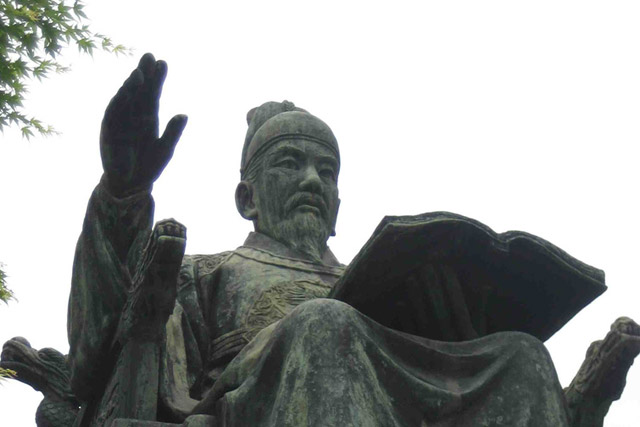
http://id.wikipedia.org/wiki/Raja_Sejong
Queen Seondeok    

엄마, 나 집에 가고 싶어요

Wednesday, October 13, 2010

WHEN I SEE YOU SMILE

(verse one

Sometimes I wonder
How I'd ever make it through
Through this world
without having you
I just wouldn't have a clue
Cause sometimes it seems
Like this world's closing in on me
And there's no way of breaking free
And then I see you reach out for me
Sometimes I wanna give up
Wanna give in
I wanna quit the fight
AND ONE LOOK AT YOU BABY
can make everything all right
can make everything alright

(chorus)
When I see you smile
I can face the world
Oh you know I can do anything
When I see you smile
I see a ray of light
Oh I see it shining
right through the rain
When I see you smile
Baby when I see you smile at me
Oh yeah

(verse 2)
Baby there's nothing in this world that could ever do
What the touch of your hand can do
It's like nothing that I ever knew
ooooohhhh
And when the rain is falling
I don't feel it
Cause you're here with me
AND ONE LOOK AT YOU BABY
It's all I'll ever need
All I'll ever need

When I see you smile
I can face the world
Oh you know I can do anything
When I see you smile
I see a ray of light
Oh I see it shining
right through the rain
When I see you smile
Baby when I see you smile at me

(bridge)
Sometimes I wanna give up
I wanna give in
I wanna quit the fight
Then one look at you baby
can make everything alright
It's alright

(chorus)
When I see you smile
I can face the world
Oh you know I can do anything (that i can do anything)
When I see you smile (when i see you smile)
I see a ray of light
Oh I see it shining
right through the rain (baby when i see you smile)
Yeah
When I see you smile
Yeah I can face the world (everyday)
Oh you know I can do anything (everyday)
When I see you smile
Oh yeah
Baby when I see you smile at me
when i see you smile.. baby when i see you smile..
aaaattt me..


(verse one)
Sometimes I wonder
How I'd ever make it through
Through this world
without having you
I just wouldn't have a clue
Cause sometimes it seems
Like this world's closing in on me
And there's no way of breaking free
And then I see you reach out for me
Sometimes I wanna give up
Wanna give in
I wanna quit the fight
AND ONE LOOK AT YOU BABY
can make everything all right
can make everything alright

(chorus)
When I see you smile
I can face the world
Oh you know I can do anything
When I see you smile
I see a ray of light
Oh I see it shining
right through the rain
When I see you smile
Baby when I see you smile at me
Oh yeah

(verse 2)
Baby there's nothing in this world that could ever do
What the touch of your hand can do
It's like nothing that I ever knew
ooooohhhh
And when the rain is falling
I don't feel it
Cause you're here with me
AND ONE LOOK AT YOU BABY
It's all I'll ever need
All I'll ever need

When I see you smile
I can face the world
Oh you know I can do anything
When I see you smile
I see a ray of light
Oh I see it shining
right through the rain
When I see you smile
Baby when I see you smile at me

(bridge)
Sometimes I wanna give up
I wanna give in
I wanna quit the fight
Then one look at you baby
can make everything alright
It's alright

(chorus)
When I see you smile
I can face the world
Oh you know I can do anything (that i can do anything)
When I see you smile (when i see you smile)
I see a ray of light
Oh I see it shining
right through the rain (baby when i see you smile)
Yeah
When I see you smile
Yeah I can face the world (everyday)
Oh you know I can do anything (everyday)
When I see you smile
Oh yeah
Baby when I see you smile at me
when i see you smile.. baby when i see you smile..
aaaattt me..


Tuesday, May 18, 2010

Belajar Bahasa Italia

Bingung mo ngapain hari ini, iseng liat liat bahasa italia, jadi penasaran dengan bahasa Italy. Googling dapat satu blog yang kebetulan memberikan beberapa link untuk memulai, karena gw sendiri gak tahu mesti memulai dari mana ( bener2 blank bahasa italy , yang gw tau cuma numero uno = nomor satu ) hehehe.... Lest go exploring.


Alphabet and Spelling(2)


Alphabet
Letters / Names of the letters
a  a
b  bi
c  ci
d  di
e  e
f  effe
g  gi
h  acca
i  i
l  elle
m  emme
n  enne
o  o
p  pi
q  cu
r  erre
s  esse
t  ti
u  u
v  vu
z  zeta 
Letters / Names of the letters
j  ilungo
k  kappa
w  doppia vu
x  ics
y  ipsilon
SingolareSingular
ioI
tuyou (familiar)
lui (egli/esso)he
lei (ella/essa)she
Leiyou (formal)
PluralePlural
noiwe
voiyou (familiar)
loro (essi)they (m.)
loro (esse)they (f.)
Loroyou (formal)
 
ITALIAN SUBJECT PRONOUNS
PERSONSINGULARPLURAL
Iio (I)noi (we)
IItu (you, informal)voi (you)
IIIlui, lei (he, she)loro (they)

Lui (you, formal)Loro (you, formal)        

In modern Italian he, she, and they are usually expressed by lui, lei, and loro, respectively. (Egli, ella, essi, and esse are used more in written Italian than in the spoken language. Esso and essa are seldom used.)

PRESENT TENSE CONJUGATION OF AMARE (TO LOVE)
PERSONSINGULARPLURAL
I(io) amo (I love)(noi) amiamo (we love)
II(tu) ami (you love, familiar)(voi) amate (you love, familiar)
III(Lei) ama (you love, formal)(Loro) amano (you love, formal)

(lui/lei) ama (he/she loves)(loro) amano (they love)
The infinitive of first-conjugation Italian verbs (those ending in -are) and the conjugated forms of the present tense are pronounced like most Italian words: the stress falls on the next-to-last syllable. The one exception is the third person plural form amano, which is pronounced AH-mah-noh, with stress falling on the first syllable. A few first-conjugation verbs are listed in the following table. 


Sumber : 
1.http://dwpkbri-rome-tuttiitaly.blogspot.com/2007/10/ayo-belajar-bahasa-italy-gratis.html 
 2. http://italian.about.com/od/lessons/tp/italian-language-lessons.htm


Tuesday, March 16, 2010

Its about time to get up from a long long slept

bokek........ zzzzz need a real job to make a living.
sorry guys if I did not took what you guys offer me.

But I am ready now...

  • yo clown I am already wake up.
  • Mr S I am ready.
  • Party ? I'll think about it.


Thursday, August 20, 2009

Persiapan PTT

Siap2 berangkat.......


Wednesday, November 19, 2008

BIOPUNCTURE MEDICATION

What is Biopuncture?

Biopuncture is a therapy whereby specific locations are injected with biological products. Most of these injections are given under the skin or into the muscles.


What kind of products are being injected?

Most ampoules contain low doses of plant extracts. Products commonly used in Biopuncture are, for example, arnica, echinacea, nux vomica and chamomile. Arnica is used for muscle pain, nux vomica is injected for digestive problems, echinacea is used to increase the natural defense system of the body. Biopuncturists always inject cocktails of natural products. Traumeel for example is used for inflammations and sports injuries, Spascupreel is used for muscular cramps and Lymphomyosot for lymphatic drainage. Hundreds of different cocktails are available these days.


Are these products safe for me?

The ampoules do not contain high concentrations of the active substances. As only low doses are injected, toxic side effects are very unlikely. Additionally, the ampoules used in Biopuncture are manufactured by companies that guarantee the production quality of their products. Most of the ampoules used for injection are made in Germany and are submitted to very strict quality control regulations and systems. Clinical studies on thousands of patients have confirmed the safety of ampoules like for example Traumeel.


How can these dilutions actually have an effect on my body?

The fact that most ampoules only contain very low concentrations of plant extracts is often a reason for conventional physicians to criticize the possible effects of these products. But one has to add here that the products used in Biopuncture are not diluted to the extent that an ampoule contains no active products any more (as in “real” homeopathy). That’s why we call them micro-doses. So, it is more than just injecting water.

How does this small dose influence the body then? When you receive a tetanus vaccination, only small amounts of a product are necessary to stimulate the immune system (= your defense system) against lockjaw. A few injections can protect your body for several years against such a serious disease! Biopuncture injections are not real vaccinations, of course, but the idea of the mechanism of action is similar: small doses of the right product can have a huge effect. And Biopuncture produces its clinical effects because it stimulates your immune system to restart its healing capacities.


Has it been proven that Biopuncture works by stimulating my immune system?

Physicians around the world have experienced the effects of these injections for decades. But the problem was to prove to other colleagues how it really worked. Recent research on Biopuncture has given new insights as to how these products seem to do the job. A scientific investigation has illustrated that Traumeel indeed works via the immune system. (Your physician will be surprised to hear that the mechanisms of action of Traumeel include both inhibition of IL-1ß and inhibition of TNF-alpha Secretion.) In June 2004 an article about Traumeel was published in an important medical journal “Clinical & Developmental Immunology” which is a highly respected journal in conventional medicine. If your doctor really wants to know more about this study or is interested in other clinical studies about Biopuncture, he or she can find more information in the textbooks on Biopuncture”.


But how does Biopuncture work then to help me with my pain or inflammations?

In conventional medicine, the actual drug you take suppresses your symptoms immediately. That is why you need to take high doses of chemical substances in order to suppress for example pain. And as soon as the medication stops working, you have to take another pill to kill the pain again. The same goes for anti-inflammatories, medication to control your blood pressure or pills for high cholesterol. That’s how these drugs are designed. However, in Biopuncture small doses of products are injected in order to stimulate the natural healing processes. These micro doses “wake up” mechanisms which are available anyway. So, the healing effect comes from “inside” your body - not from the products themselves. It’s the reaction of your immune system which will produce the proper reactions to regain natural healing. The reaction of the body may vary from better local blood circulation to relaxation of muscles or a local detoxification of tissues.


Will Biopuncture help me as quickly as conventional therapies?

It is obvious that injections of micro-doses are less powerful than for example cortisone injections. The dose used is too small to immediately suppress the inflammation. But that’s not the goal of Biopuncture! We consider an inflammation as an important element of true and lasting healing. The goal of Biopuncture is to stimulate the natural inflammatory processes in order to get complete and natural healing of the injured tissues – not to suppress them. So, we do exactly the opposite of conventional drugs. As a result, the symptomatic relief may take a while, especially for chronic cases. But when dealing with acute injuries, the effects of the injections are apparent almost immediately.


Where are these injections given?

Most people - especially those who are apprehensive about injections because they may have had bad experiences with injections in their childhood - are surprised how easily and quickly these injections are given. In fact, these injections cannot be compared to the ‘usual' injections given in conventional medicine. They are not as painful as an injection in for example a hospital because the needle used is very fine and the quantity injected is very small. Indeed, they look more like little pinpricks. Most of them are given into or just under the skin, others are given into specific muscle points or into your ligaments. Your doctor doesn’t give the injections in the buttock or arm, but they are administered in carefully chosen zones. The place where the doctor injects the product is as important as the product itself. It’s different for each patient. During the Biopuncture course, doctors are instructed what techniques to use and what products to inject.


How many injections will I receive each session?

A lot of these injections are given at more than one spot during each session. For example, if your doctor wants to work on your liver, he or she will give about 7 little injections under the skin on your abdomen. When you have pain in your elbow, your physician will look for several painful spots in your arm muscles or elbow ligaments, and inject each of them in one session. In such a case, you may receive anything from three to ten little injections in your elbow, neck or arm. So in most cases, several injections are given in a specific zone (or in several areas) of the body at each session.


How many sessions of Biopuncture will be necessary?

The fact that your doctor uses small doses of natural products instead of cortisone injections means that you have to be more patient. If you have had problems for several months or even years, your doctor must work on different layers. If it is a complicated case, your health care provider must sometimes also look for deeper causes of your complaints and work on these. Sometimes your hormonal system has to be regulated. Or he or she must do a detoxification first before even starting to work on your symptoms. As a result, you may need five sessions or even more to feel better. When you realize that these products are natural products that do not show any major side effects, you may be motivated to be more patient than usual. In the long run, however, the results of Biopuncture are longer lasting because the healing comes from within and does not depend on the pills you take every day to take away the symptoms.


Is there an element of risk with such injections?

It is clear that the physician who decides to use Biopuncture, will always do so according to the latest technical standards. That is his or her duty as a medical professional. This includes a correct injection technique, and of course the use of sterile disposable material. The latter means that the needle has never been in contact with any other patient and that any transmission of disease (e.g. hepatitis, AIDS) is impossible. This should give you confidence in the safety of the technique. But you may end up with a blue spot at the site of injection the next day.


What is a “detox” treatment?

An important issue in Biopuncture is the detoxification of the body. It literally means “cleaning the body.” All the toxins that have accumulated in your body, for example from the environment (air pollution), from bad nutrition, or from medication (e.g. antibiotics and steroids you’ve taken) can block your immune defense system. They can also disturb the reflex responses of your nervous system. All these toxins in your body are the reason why your body may not be functioning optimally as it did when you were younger. Eliminating all these toxins is an important strategy in Biopuncture, especially when dealing with chronic diseases. Some injections work specifically on the liver and others on the kidneys or on the lymphatic system. Especially, the cleaning up of the lymphatic system with Lymphomyosot is considered very important in Biopuncture.


When should my physician suggest Biopuncture?

Biopuncture cannot heal all your medical problems. This is not a miracle therapy. It is up to your family physician to decide what can be treated, and what can't. The majority of patients choose to be treated with Biopuncture because they are in pain and do not support the use of conventional painkillers. However, it is important to realize that Biopuncture isn’t designed to ‘take away' the pain as with conventional medication. Pain is seen as an important ‘signal' from your body that something is going wrong. It is similar to a red light on the dashboard of your car: the aim is not to just ‘take it away' but to look for the deeper cause. This means that if pain can be alleviated with Biopuncture - without prescribing painkillers - there is good reason to conclude that the deeper cause of that particular pain has been eliminated.


I’ve heard that things can get worse immediately after my first treatment. Is that correct?

It all depends. Every case is different. Sometimes you improve immediately after the injection. It means you really feel better within minutes after the injections. Critics might describe such a phenomenon as a “placebo effect” by saying that you feel better because you believe you’re going to be feeling better. In Biopuncture, such an immediate improvement is rather likely to happen when dealing with a fresh sports injury for example. But as stated before, when dealing with complaints that have persisted for months or years, things need some time to heal. In the beginning the pain may shift from one area to another when the body starts to react to the treatment. This is not a bad sign but the first step of natural healing. It is called the “adaptation phase.” You may even notice that - especially the day after the injection - you feel a little worse, experiencing more pain or discomfort after the first session. This is exactly the opposite of the so-called placebo effect! This temporary worsening of complaints usually means that the healing processes are being activated. The body is working on the problem, and that is exactly what we want. In Biopuncture it is called the “reaction phase”. But when you understand that this means that real healing is on its way, you will be willing to accept these minor reactions in the beginning of the treatment.


When should I consider Biopuncture?

Most physicians use Biopuncture for minor orthopedic problems. Neck pain and back pain are good indications for Biopuncture, but one can also treat sciatica, ankle sprain, pain in the shoulder and Achilles tendonitis using these natural vaccinations. Biopuncture is also very successful in treating sports injuries, tennis elbow, golf elbow, and so on. However, Biopuncture is not just used for pain problems. An area of treatment worth noting is that of allergies and inflammations. For example, one can treat asthma, eczema and hay fever. And even patients with bronchitis, cystitis and sinusitis can be treated with this technique. When a physician is experienced in the technique, he or she can also treat you for migraine, tension headache, Crohn's disease, colitis, Cluster headache, neuralgia, and so on.


Who may benefit from Biopuncture?

The use of biotherapeutic injections can benefit those patients who have tried conventional medicine but have had no success, or for those who have had to stop taking conventional medication because of side effects. It is an interesting healing technique for those patients who want to avoid an operation (for example for sciatica or sinusitis). In some patients it may be advantageous to combine the conventional approach together with Biopuncture. Many people still believe that one has to stop conventional treatments when choosing Biopuncture. This is not true. When you are being treated with Biopuncture, you just continue the medication you were already taking. In case of doubt, always contact your physician first for professional advice. Each case should be taken into account individually, of course.


When is Biopuncture not appropriate?

Let us be clear about it: Biopuncture cannot heal you from cancer, diabetes, a heart attack or AIDS. Nor is it an appropriate treatment for high blood pressure, fibromyalgia, Parkinson, depression or epilepsy. In some cases, the disease is too serious or too aggressive, and can only be stopped through conventional medication or surgery. Your family physician will confirm this. When serious damage has already occurred, Biopuncture will be simply too late to reverse the damage and bring the body back into balance again. For example, a viral hepatitis can be treated with Biopuncture in order to support the healing mechanism of the body, but liver cirrhosis is a phase where cells are damaged beyond repair and healing is impossible. The same goes for chronic problems with the airways. Biopuncture can help a lot here as long as there is no emphysema or lung cancer involved. That is why it is so important to first have a conventional diagnosis before starting with Biopuncture. I advise you to ask your family physician for advice in case of doubt.


Conclusion

Biopuncture is a safe and efficient technique in complementary medicine. It uses biotherapeutic injections to stimulate the natural self-healing capacities of your body. It is worth considering if it can help you with your personal health problems. Consult your medical professional for more information about Biopuncture.


source : www.kersschot.com

Monday, November 17, 2008

Management of Carpal Tunnel Syndrome

Management of Carpal Tunnel Syndrome

ANTHONY J. VIERA, LCDR, MC, USNR, Naval Hospital, Jacksonville, Florida

Carpal tunnel syndrome affects approximately 3 percent of adults in the United States. Pain and paresthesias in the distribution of the median nerve are the classic symptoms. While Tinel's sign and a positive Phalen's maneuver are classic clinical signs of the syndrome, hypalgesia and weak thumb abduction are more predictive of abnormal nerve conduction studies. Conservative treatment options include splinting the wrist in a neutral position and ultrasound therapy. Orally administered corticosteroids can be effective for short-term management (two to four weeks), but local corticosteroid injections may improve symptoms for a longer period. A recent systematic review demonstrated that nonsteroidal anti-inflammatory drugs, pyridoxine, and diuretics are no more effective than placebo in relieving the symptoms of carpal tunnel syndrome. If symptoms are refractory to conservative measures or if nerve conduction studies show severe entrapment, open or endoscopic carpal tunnel release may be necessary. Carpal tunnel syndrome should be treated conservatively in pregnant women because spontaneous postpartum resolution is common. (Am Fam Physician 2003:68:265-72, 279-80. Copyright© 2003 American Academy of Family Physicians.)

{short description of image}

illustration Carpal tunnel syndrome, the most common focal peripheral neuropathy, results from compression of the median nerve at the wrist.1 The syndrome affects an estimated 3 percent of adult Americans and is approximately three times more common in women than in men.2 High prevalence rates have been reported in persons who perform certain repetitive wrist motions, but the significance of this relationship continues to be challenged. Although 30 percent of frequent computer users complain of hand paresthesias, only 10 percent meet clinical criteria for carpal tunnel syndrome, and nerve conduction studies are abnormal in only 3.5 percent of these persons.3

{short description of image}
See page 204 for definitions of strength-of-evidence levels.
{short description of image}

Family physicians frequently encounter patients who may have carpal tunnel syndrome. This article reviews the clinical features, diagnosis, and treatment of this relatively common condition.

Clinical Features

The classic symptoms of carpal tunnel syndrome are pain, numbness, and tingling in the distribution of the median nerve (Figure 1), although numbness in all fingers may be a more common presentation.4 Symptoms are usually worse at night and can awaken patients from sleep. To relieve the symptoms, patients often "flick" their wrist as if shaking down a thermometer (flick sign).

Figure 1.
FIGURE 1. Innervation of the hand (palmar and dorsal views).

In patients with carpal tunnel syndrome, pain and paresthesias may radiate to the forearm, elbow, and shoulder. Decreased grip strength may result in loss of dexterity, and thenar muscle atrophy may develop if the syndrome is severe. Although one hand typically has more severe symptoms, both hands often are affected.

Nonspecific flexor tenosynovitis is the most common cause of carpal tunnel syndrome. However, many conditions, including aberrant anatomy, infections, inflammatory diseases, and metabolic disorders, can cause or exacerbate the syndrome (Table 1).5,6

Diagnosis

One systematic review7 evaluated the effectiveness of findings from the history and physical examination in predicting positive nerve conduction studies. The most highly predictive findings were symptom location (i.e., a classic or probable pattern marked on hand symptom diagrams), hypalgesia (diminished sensitivity to pain along the palmar aspect of the index finger), and weak thumb abduction.

The principal clinical tests for carpal tunnel syndrome are Phalen's maneuver and Tinel's sign. Phalen's maneuver is positive when flexing the wrist to 90 degrees for one minute elicits symptoms in the median nerve distribution. Tinel's sign is positive when tapping over the carpal tunnel elicits symptoms in the distribution of the median nerve. Sensory findings in carpal tunnel syndrome also may be elicited by two-point discrimination, vibration, and monofilament testing.

{short description of image}

TABLE 1
Causes and Contributing Factors in Carpal Tunnel Syndrome


Aberrant anatomy
Anomalous flexor tendons
Congenitally small carpal canal
Ganglionic cysts
Lipoma
Proximal lumbrical muscle insertion
Thrombosed artery
Infections
Lyme disease
Mycobacterial infection
Septic arthritis
Inflammatory conditions
Connective tissue disease
Gout or pseudogout
Nonspecific flexor tenosynovitis*
Rheumatoid arthritis
Metabolic conditions
Acromegaly
Amyloidosis
Diabetes
Hypothyroidism or hyperthyroidism
Increased canal volume
Congestive heart failure
Edema
Obesity
Pregnancy

*--Most common cause of carpal tunnel syndrome.

Adapted with permission from Von Schroeder HP, Botte MJ. Carpal tunnel syndrome. Hand Clin 1996;12:644, with additional information from Stevens JC, Beard CM, O'Fallon WM, Kurland LT. Conditions associated with carpal tunnel syndrome. Mayo Clin Proc 1992;67:541-8.

{short description of image}

Whether carpal tunnel syndrome is a clinical or electrophysiologic diagnosis remains somewhat controversial. In one study of 2,466 persons in a general population,2 354 (14.4 percent) reported pain, numbness, or tingling in the distribution of the median nerve. Nerve conduction studies confirmed the presence of median nerve neuropathy in approximately 45 percent of these symptomatic patients. Interestingly, nerve conduction studies were negative in almost one third of "clinically certain" patients but positive in nearly one third of "clinically uncertain" patients. Of the 125 asymptomatic patients who were examined (control group), 23 (18.4 percent) were found to have median nerve neuropathy on nerve conduction testing.

Consensus committees from the American Academy of Neurology, American Association of Electrodiagnostic Medicine, and American Academy of Physical Medicine and Rehabilitation recognize nerve conduction studies as the diagnostic standard for carpal tunnel syndrome.7,8

Treatment

GENERAL MEASURES

{short description of image}
Patients with carpal tunnel syndrome often have bilateral symptoms, but one hand tends to be more significantly affected.
{short description of image}

Patients with carpal tunnel syndrome should avoid repetitive wrist and hand motions that may exacerbate symptoms or make symptom relief difficult to achieve. If possible, they should not use vibratory tools (e.g., jackhammers, floor sanders), because the motion of these tools can make their symptoms worse.6

Ergonomic measures to relieve symptoms depend on the motion that needs to be minimized. Patients who work on computers, for example, may benefit from improved wrist positioning or the use of wrist supports, although the latter is controversial. Wrist splints may be helpful for patients in other professions that require repetitive wrist motion.

In addition to wrist splinting, conservative treatments include oral corticosteroid therapy and local corticosteroid injections. Approximately 80 percent of patients with carpal tunnel syndrome initially respond to conservative treatment; however, symptoms recur in 80 percent of these patients after one year.9

One group of investigators developed an approach that uses risk factors to predict the likelihood of success for conservative treatment of carpal tunnel syndrome (Figure 2).10 Surgery should be considered when carpal tunnel syndrome does not respond to conservative measures.

{short description of image}
Predicting the Outcome of Conservative Treatment for Carpal Tunnel Syndrome

Score 1 point for each "yes" answer and zero for each "no" answer. See the scoring key for the predicted successful outcome of conservative treatment.*

1. Have symptoms been present for more than 10 months? Yes _____ No _____
2. Does the patient have constant paresthesias? Yes _____ No _____
3. Does the patient have flexor tenosynovitis ("triggering" of the digits)? Yes _____ No _____
4. Is Phalen's maneuver positive within less than 30 seconds? Yes _____ No _____
5. Is the patient older than 50 years? Yes _____ No _____

SCORING KEY: zero points = 65% success rate; 1 point = 41.4% success rate; 2 points = 16.7% success rate; 3 points = 6.8% success rate; 4 or 5 points = 0% success rate.

*--Outcome rates are based on the use of wrist splinting and nonsteroidal anti-inflammatory drugs; success rates may be higher with oral corticosteroid therapy or local corticosteroid injection.

{short description of image}
FIGURE 2. An approach to predicting the outcome of conservative treatment in patients with carpal tunnel syndrome.

Adapted with permission from Kaplan SJ, Glickel SZ, Eaton RG. Predictive factors in the non-surgical treatment of carpal tunnel syndrome. J Hand Surg [Br] 1990;15:108.

WRIST SPLINTS

Splinting the wrist at a neutral angle helps to decrease repetitive flexion and rotation, thereby relieving mild soft tissue swelling or tenosynovitis. Splinting is probably most effective when it is applied within three months of the onset of symptoms.11

The optimal splinting regimen depends on the patient's symptoms and preferences. Nightly splint use is recommended to prevent prolonged wrist flexion or extension.12 When worn at night for four weeks, a specially designed wrist brace was found to be more effective than no treatment in relieving the symptoms of carpal tunnel syndrome (Figure 3).13 This brace has not yet been compared with traditional splints.

Some patients choose to wear a wrist splint all of the time. Compared with nighttime-only splint use, full-time use has been shown to provide greater improvement of symptoms and electrophysiologic measures; however, compliance with full-time use is more difficult.14 [Evidence level B, uncontrolled trial]

Figure 3.
FIGURE 3. Manu hand brace for the conservative treatment of carpal tunnel syndrome (palmar and dorsal views). This specially designed brace provides gentle pressure to the heads of the metacarpal bones while stretching the third and fourth fingers.
{short description of image}

TABLE 2
Randomized Controlled Trials of Oral Medications in the Treatment of Carpal Tunnel Syndrome


The rightsholder did not grant rights to reproduce this item in electronic media. For the missing item, see the original print version of this publication.
{short description of image}

ORAL MEDICATIONS

Diuretics, nonsteroidal anti-inflammatory drugs (NSAIDs), pyridoxine (vitamin B6), and orally administered corticosteroids have been used with varying degrees of success in patients with carpal tunnel syndrome. Unfortunately, few high-quality trials have evaluated these treatments.

{short description of image}
Nerve conduction studies are the recognized diagnostic standard for carpal tunnel syndrome.
{short description of image}

A recent systematic review15 of conservative treatments for carpal tunnel syndrome found 14 randomized controlled trials (RCTs), including five trials of oral medications (Table 2).15-20 The authors concluded that NSAIDs, diuretics, and pyridoxine are no more effective than placebo in relieving the symptoms of carpal tunnel syndrome.15 [Evidence level A, systematic review of RCTs] Nevertheless, some investigators21 recommend NSAID therapy as an adjunct to wrist splinting and ergonomic adjustments in patients with mild to moderate carpal tunnel syndrome.

Orally administered corticosteroids have been shown to be more effective than NSAIDs or diuretics in the short-term treatment of carpal tunnel syndrome. The optimal corticosteroid dosage remains to be determined. In one prospective, randomized, double-blind, placebo-controlled trial (73 patients), global symptom scores for carpal tunnel syndrome were significantly improved at two weeks and four weeks in patients randomized to receive prednisolone in a dosage of 20 mg per day for two weeks, followed by 10 mg per day for two weeks.17 [Evidence level B, lower quality RCT] No major adverse effects were noted. The study also found that NSAIDs and diuretics conferred no greater benefit than placebo.

LOCAL INJECTION

Combined injection of a corticosteroid and a local anesthetic into or proximal to the carpal tunnel can be used in patients with mild to moderate carpal tunnel syndrome. Such injections can be diagnostic as well as therapeutic. While most studies evaluating local injection have been retrospective or uncontrolled, two recent systematic reviews of RCTs concluded that local corticosteroid injection provides greater clinical improvement at one month compared with placebo.15,22 [References 15 and 22--Evidence level A, systematic reviews of RCTs]

A randomized, double-blind trial23 compared oral corticosteroid therapy and local corticosteroid injection in 60 patients with electrophysiologically confirmed carpal tunnel syndrome. In this study, 30 patients were treated with local injection of 15 mg of methylprednisolone plus oral placebo; the other 30 patients received 25 mg of orally administered prednisolone for 10 days plus a saline injection. Mean global symptom scores for the two groups did not differ significantly at two weeks. At eight and 12 weeks, however, significant improvement was evident only in the methylprednisolone injection group.

A traditional method for direct injection into the carpal tunnel is shown in Figure 4. Alternatively, injection can be accomplished by advancing the needle through the flexor retinaculum using a perpendicular approach.24,25

Figure 4.
FIGURE 4. Method of injecting directly into the carpal tunnel. After the hand is positioned on a rolled towel, a mixture of 10 to 20 mg of lidocaine (Xylocaine) without epinephrine and 20 to 40 mg of methylprednisolone acetate (Depo-Medrol) or similar corticosteroid preparation is injected with a 25-gauge needle at the distal wrist crease (or 1 cm proximal to it). Injection occurs along the right side of the palmaris longus tendon, which can be identified by having the patient pinch the thumb and fifth fingers together while slightly flexing the wrist. If the palmaris longus tendon cannot be identified, the needle is inserted slightly ulnar to the midline. The needle is angled downward at a 45-degree angle toward the tip of the middle finger and advanced 1 to 2 cm as it traverses the flexor retinaculum. Discomfort in the fingers should prompt repositioning of the needle.
Figure 5.
FIGURE 5. Method of injecting proximal to the carpal tunnel. Using a 3-cm-long, 0.7-mm needle introduced at a 10- to 20-degree angle, a mixture of 10 mg of lidocaine (Xylocaine) and 40 mg of methylprednisolone is injected at the distal wrist crease between the tendons of the palmaris longus and flexor carpi radialis muscles. The mixture is introduced as a bolus and massaged toward the carpal tunnel. The needle should be advanced slowly and repositioned if resistance is encountered or the patient reports pain or paresthesias in the fingers.

Direct injection into the carpal tunnel by either method carries the potential for needle injury to the median nerve, intratendinous injection and tendon rupture, or dysesthesias (secondary to intrafascicular injection) that may persist for months.26 An alternative approach is to place the injection proximal to the carpal tunnel, rather than directly in it (Figure 5). This approach lowers the risk of damage to the median nerve and theoretically treats concomitant swelling at the volar side of the forearm. With any method, injection of corticosteroid into the median nerve must be avoided.

{short description of image}
Clinical trials in patients with carpal tunnel syndrome have shown that oral corticosteroid therapy, local injection of a corticosteroid plus an anesthetic, and ultrasound therapy provide greater symptom relief than placebo.
{short description of image}

In one double-blind, placebo-controlled trial,27 60 patients older than 18 years with electrophysiologically confirmed carpal tunnel syndrome and symptoms for longer than three months were randomized to receive 10 mg of lignocaine (lidocaine) or 10 mg of lignocaine plus 40 mg of methylprednisolone. In all patients, the injection was administered proximal to the carpal tunnel. Improvement was defined as no symptoms or minor symptoms requiring no further treatment. At
one month, symptoms were improved in 23 (77 percent) of the 30 patients in the corticosteroid-treated group compared with six (20 percent) of the 30 patients in the control group (P <.001); the number needed to treat was 1.8.27 [Evidence level A, RCT] No side effects were reported. Superior symptom relief for corticosteroid injection compared with placebo (lignocaine only) injection was not adequately demonstrated beyond one month of follow-up. All injections in the study were performed by one neurologist, which may limit the reproducibility of the results.

Splinting is generally recommended after local corticosteroid injection.5,25 If the first injection is successful, a repeat injection can be considered after a few months.9 Surgery should be considered if a patient needs more than two injections.9 While a poor response to local corticosteroid injection does not predict a poor surgical result, a favorable response has been associated with a satisfactory surgical outcome.5

ULTRASOUND THERAPY

Ultrasound therapy may be beneficial in the longer term management of carpal tunnel syndrome. A double-blind, randomized trial28 found that compared with "sham ultrasound" treatment (control), 20 sessions of carpal tunnel ultrasound therapy administered over approximately seven weeks resulted in significantly greater improvement of symptoms at two weeks, seven weeks, and six months. However, a smaller study showed no benefit for this treatment.29 More studies are needed to confirm the usefulness of ultrasound therapy for carpal tunnel syndrome.

{short description of image}
Both open and endoscopic carpal tunnel release procedures are effective. Whether endoscopic surgery allows an earlier return to work and activities of daily living remains unclear.
{short description of image}

Additional randomized trials comparing conservative therapies for carpal tunnel syndrome would be useful in helping physicians select appropriate treatments for individual patients.

SURGERY

Carpal tunnel release surgery should be considered in patients with symptoms that do not respond to conservative measures and in patients with severe nerve entrapment as evidenced by nerve conduction studies, thenar atrophy, or motor weakness. It is important to note that surgery may be effective even if a patient has normal nerve conduction studies.30,31

Two thirds of a community-based cohort of patients who underwent carpal tunnel release reported being completely or very satisfied with the outcome at six, 18, and 30 months after surgery.32 A recent study33 showed that open carpal tunnel release resulted in better outcomes than wrist splinting.

Carpal tunnel release surgery is an outpatient procedure that is performed using regional anesthesia. The traditional surgical approach uses a long palmar curvilinear incision to facilitate division of the transverse carpal ligament and its overlying structures. Endoscopic carpal tunnel release is a newer procedure that allows division of the transverse carpal ligament with the overlying structures left intact. Use of this procedure purportedly lessens scar formation and allows an earlier return to work and activities of daily living. The wrist is generally splinted for three to four weeks after surgery.

One systematic review34 found equal effectiveness for endoscopic and open surgical techniques in relieving the symptoms of carpal tunnel syndrome, but conflicting evidence on whether endoscopic surgery allows an earlier return to work or other activities. Four studies in the review demonstrated earlier return to activity after endoscopic carpal tunnel release, whereas three studies demonstrated no difference between the techniques.

Complications of surgery include injury to the palmar cutaneous or recurrent motor branch of the median nerve, hypertrophic scarring, laceration of the superficial palmar arch, and tendon adhesion.25 Postoperative infection, hematoma, arterial injury, stiffness, and reflex sympathetic dystrophy are other possible complications.21 If carpal tunnel release is incomplete, symptoms may recur.

Incorrect or incomplete diagnosis may be a factor in explaining unsuccessful carpal tunnel release surgery. The strongest predictors of an unfavorable surgical outcome are poor scores on patient-reported measures of upper extremity function and mental health status, compensation action connected to carpal tunnel syndrome that involves an attorney, and alcohol use.32

PREGNANCY

Alterations in fluid balance may predispose some pregnant women to develop carpal tunnel syndrome. Symptoms are typically bilateral and first noted during the third trimester. Conservative measures are appropriate, because symptoms resolve after delivery in most women with pregnancy-related carpal tunnel syndrome.35

The author indicates that he does not have any conflicts of interest. Sources of funding: none reported.

The opinions and assertions contained herein are the private views of the author and are not to be construed as official or as reflecting the views of the U.S. Naval Medical Department or the U.S. Naval Service at large.

Members of various family practice departments develop articles for "Practical Therapeutics." This article is one in a series coordinated by the Department of Family Medicine at Naval Hospital, Jacksonville, Fla. Guest editor of the series is Anthony J. Viera, LCDR, MC, USNR.


The Author

ANTHONY J. VIERA, LCDR, MC, USNR, is a staff family physician in the family practice residency program at Naval Hospital, Jacksonville, Fla., and assistant professor of family medicine at the Uniformed Services University of the Health Sciences F. Edward Hébert School of Medicine, Bethesda, Md. Dr. Viera received his medical degree from the Medical University of South Carolina College of Medicine, Charleston, and completed a family practice residency at Naval Hospital, Jacksonville.

Address correspondence to Anthony J. Viera, LCDR, MC, USNR, Family Practice Department, Naval Hospital, 2080 Child St., Jacksonville, FL 32214. Reprints are not available from the author.


source : http://www.aafp.org/

Share

Twitter Delicious Facebook Digg Stumbleupon Favorites More